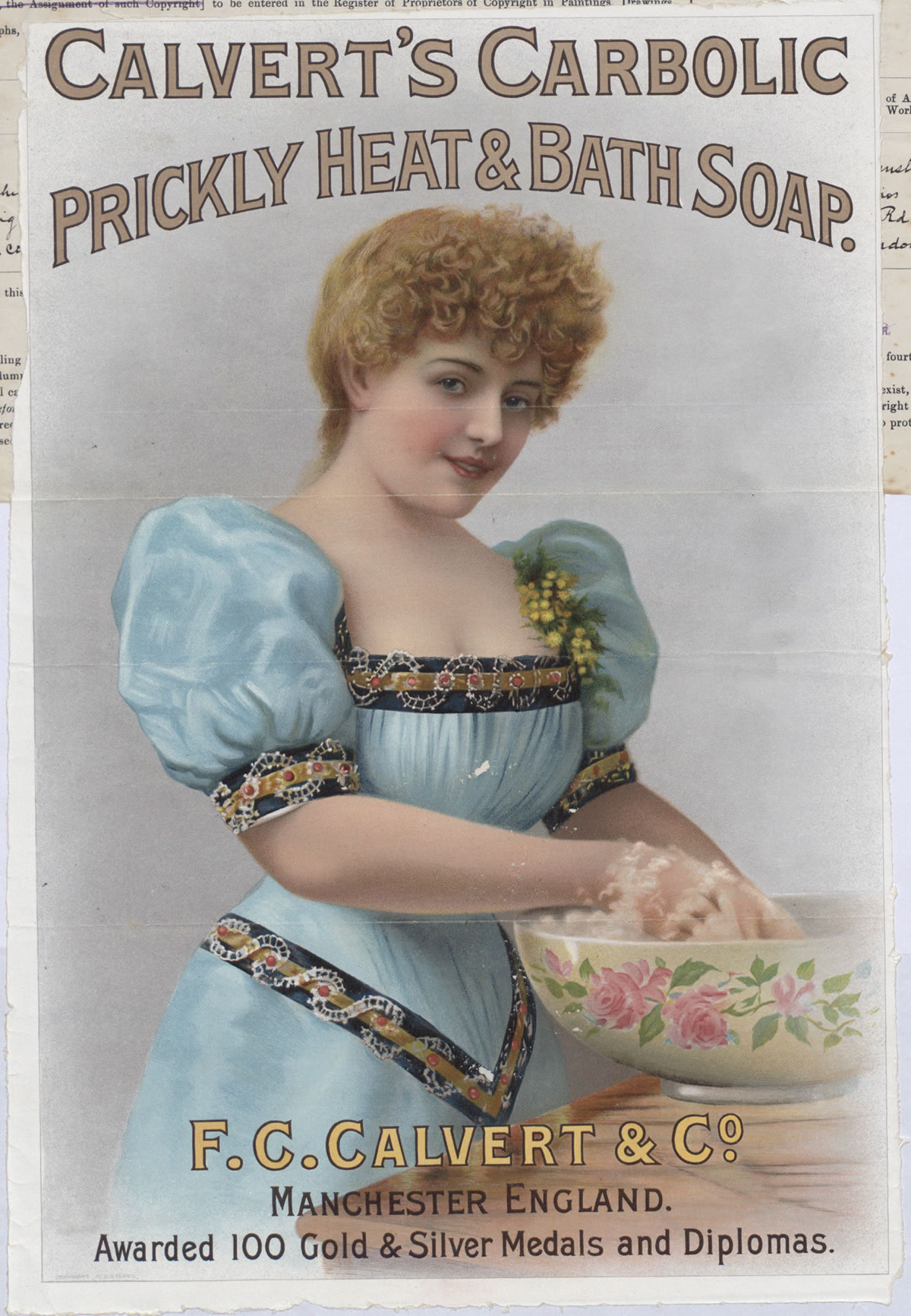
Some historians of advertising - probably most famously, Adam Curtis in "The Century of the Self" - argue that "type 2" directly fell out of World War-era propaganda research redirected towards consumerism.
Industrial printed advertising started in the early 19th century with the first stirrings of printed mass media.
But flyers and noticeboards have been around since at least Roman times, and limited-run pamphlet and newspaper/gazette ads were already a thing as far as back as the 16th century.
The propaganda research is more Type 3 - tailored ads designed and monitored for effectiveness. Before Bernays ads were hit and miss, usually made by someone with a brush who could draw and set type.
After Bernays it became a huge industry of influence, and concepts like branding, image, narrative, demographics, and dramatisation began to be used consciously.
The first two ads seem pretty Type 1 to me: they mostly consist of text straightforwardly describing what the product supposedly does, except for a smallish image in the first one. The descriptions are incorrect (cigarettes are not safe, and whatever was in those pills was certainly not as efficacious as the ad claims), but that’s basically an orthogonal issue.
On the other hand, your third example is definitely Type 2.
I see Type 1 as essentially honest and realistic, and Type 2 as essentially dishonest and unrealistic - the implication of non-existent benefits and lifestyle enhancements in a misleading way.
The presence of pretty women is a popular way to dramatise the "benefits", but it's not obligatory.
I don't doubt that WW-propaganda accelerated it, but manipulative ads were a big thing even in 1898, when William Randolph Hearst started a war to sell more papers.